
Urpi Collective: memory, culture, and community collaboration
Urpi Collective creates and supports cultural projects that recover stories, open conversations about social justice, and connect art, culture, and education. We believe that the most powerful work is made with the direct participation of communities because collaboration is the foundation of everything we do.
We design projects and support initiatives led by others that promote social justice, intergenerational exchange, gender equality, and transnational justice. Each workshop, audio piece, or exhibition is built collectively: experiences are listened to, ethical boundaries are agreed upon, and decisions are made about how to share stories safely and respectfully. That collaboration ensures the work is relevant, fair, and useful for the people it comes from.
This blog is for people like you who are interested in memory, culture, and social justice.
In this blog, we share project updates, practical learnings, calls for collaboration, and adaptable resources that center culture as a pathway to justice.
Subscribe to our blog!
Tags: memory, community participation, social justice, gender equality, intergenerational, transnational justice, cultural projects, workshops
Why Keep Creating Spaces for Art and Writing?
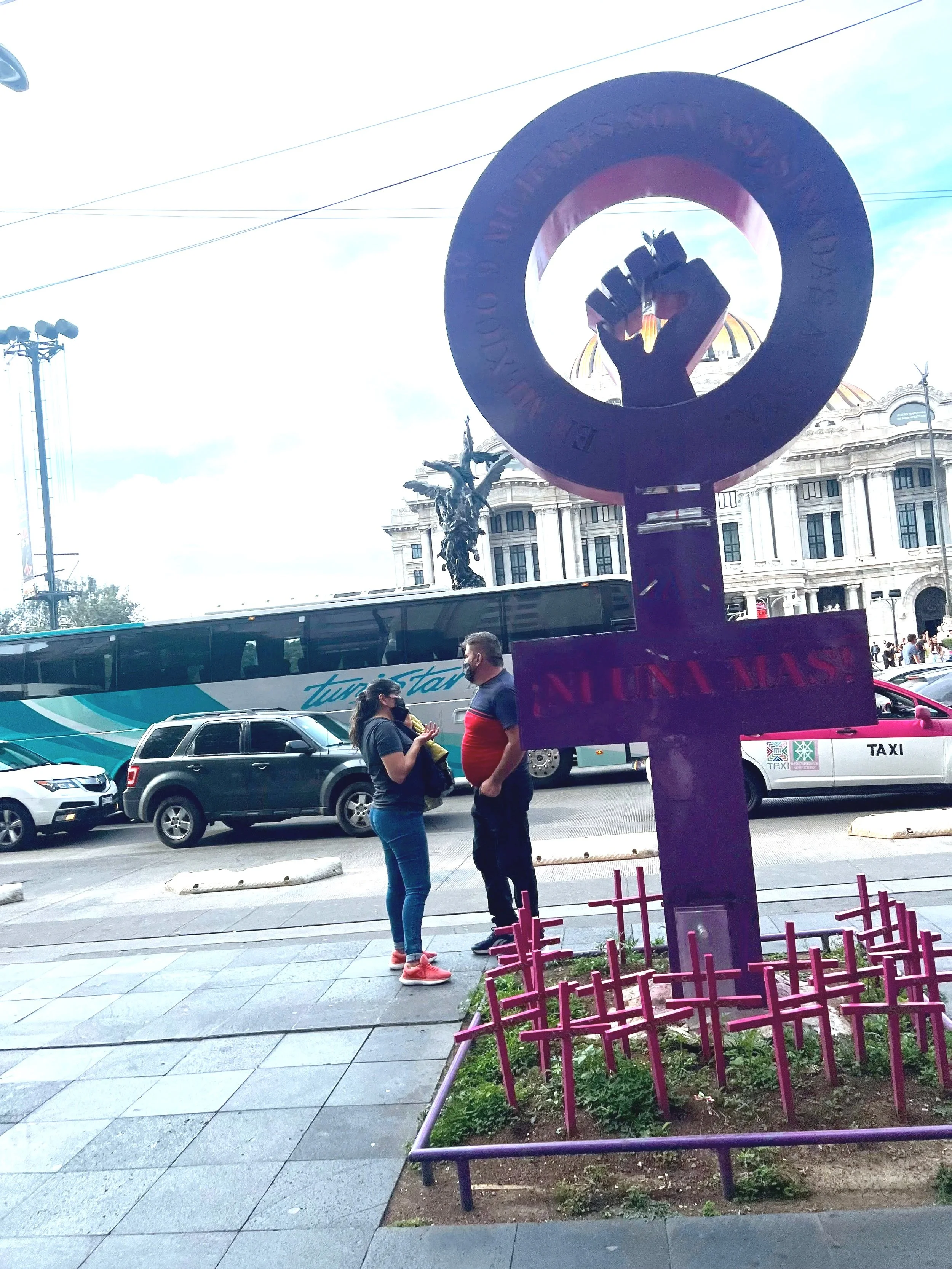
Art and writing are often treated like luxuries reserved for a gifted few, but for Urpi Collective they are tools for survival, connection, and justice. In the face of violence against children, women, and other vulnerable bodies, creative spaces become places where people can name what has happened to them, recognize that they are not alone, and begin to weave their stories into a shared fabric of memory. Moving from the collective to the personal and back again, workshops, reading circles, and community projects turn individual pain into collective understanding and action. In this way, art and writing help us live through what is unresolved and imagine lives guided less by violence and more by dignity and care.
Writing because of Silence and against it.
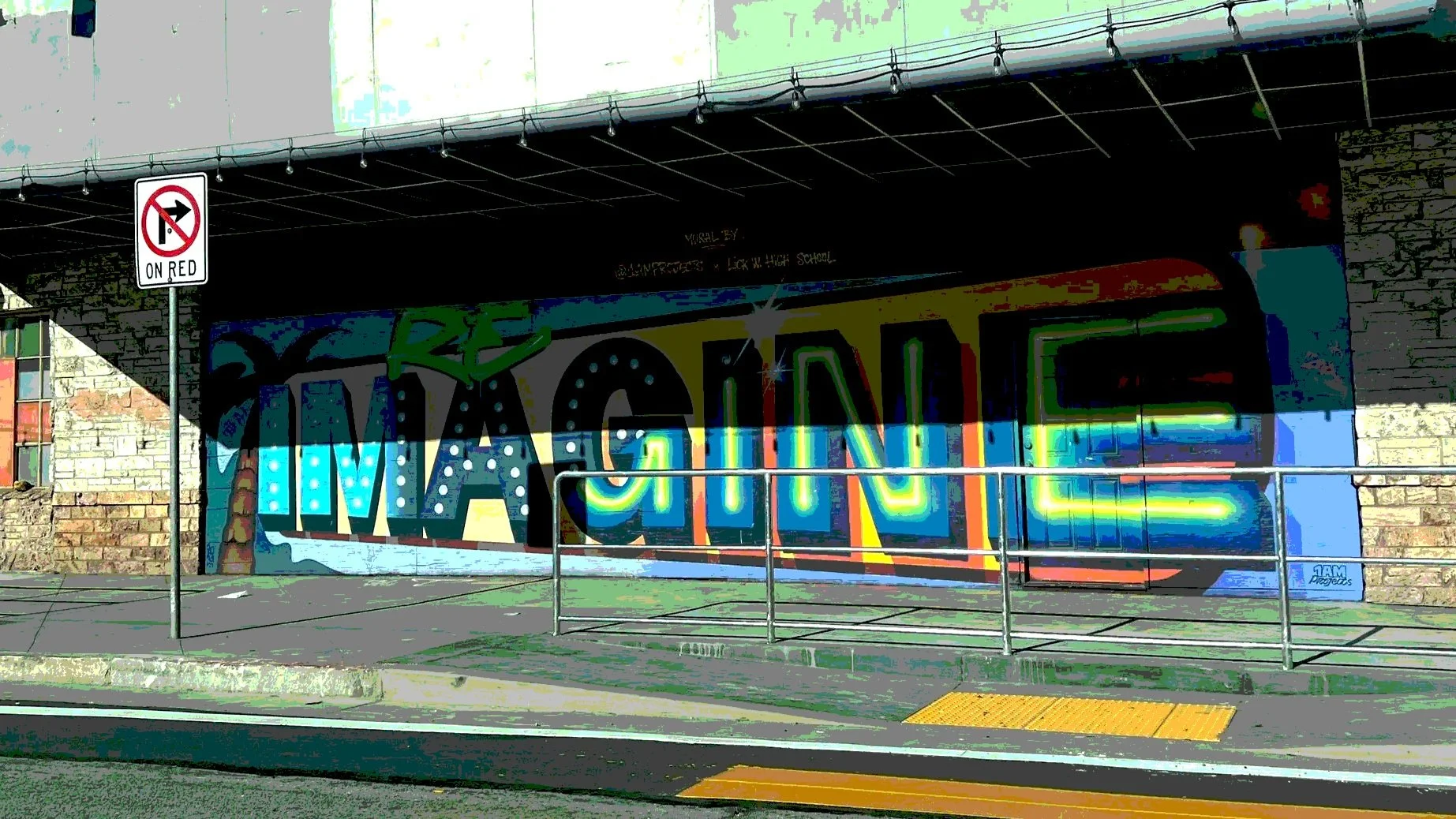
To write, then, is to build. On the page, survivors and communities try out new words, new relationships, and new images of justice that do not yet exist in law or policy. Writing helps weave inner coherence out of chaos, creates community as stories circulate in workshops and reading groups, and builds pressure for change by turning private pain into shared knowledge and collective resistance.
Art for art’s sake — or for what?
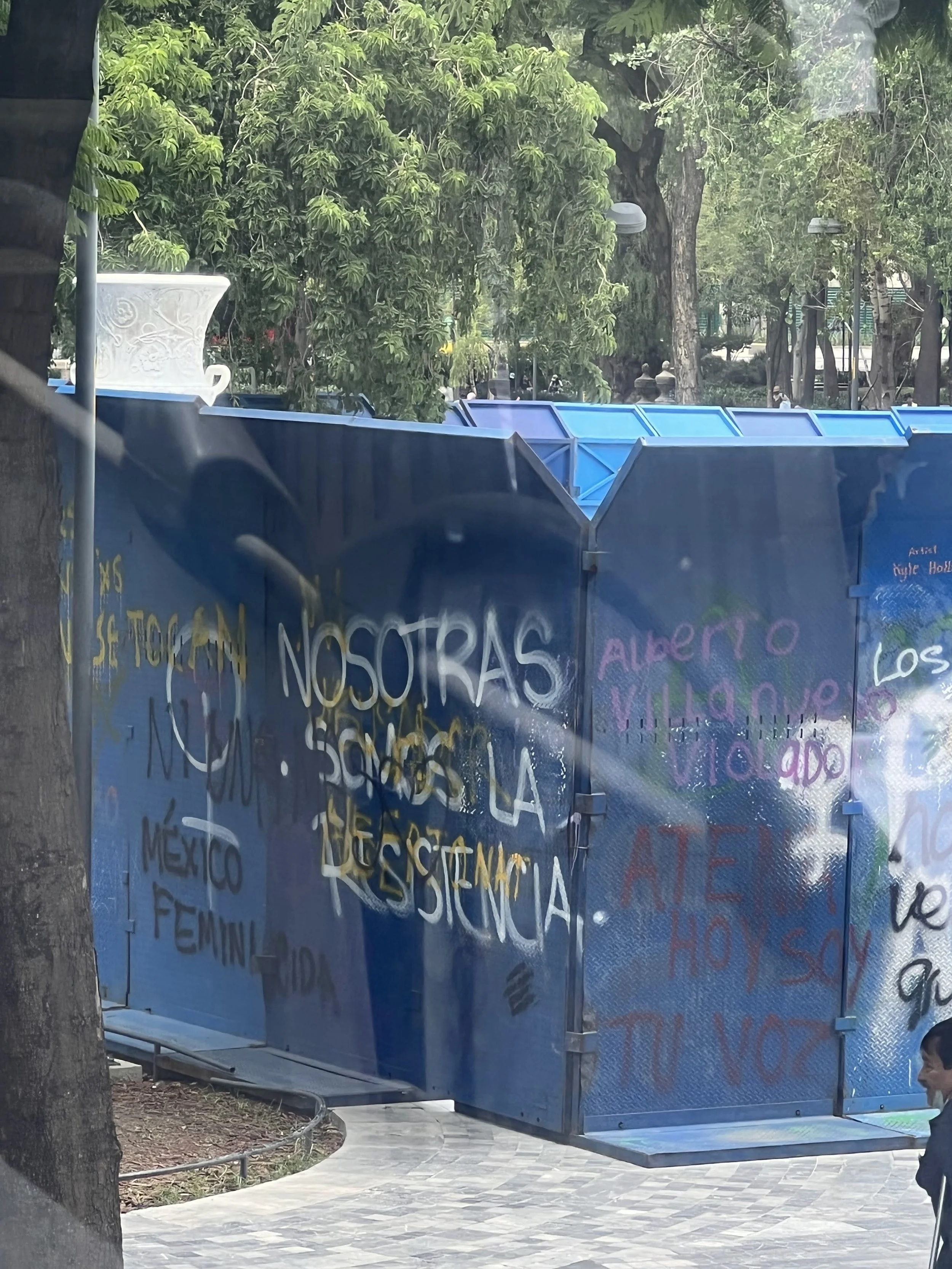
“When art is woven into everyday life—through objects, stories, and popular knowledge, it becomes a bridge between generations, territories, and struggles”.